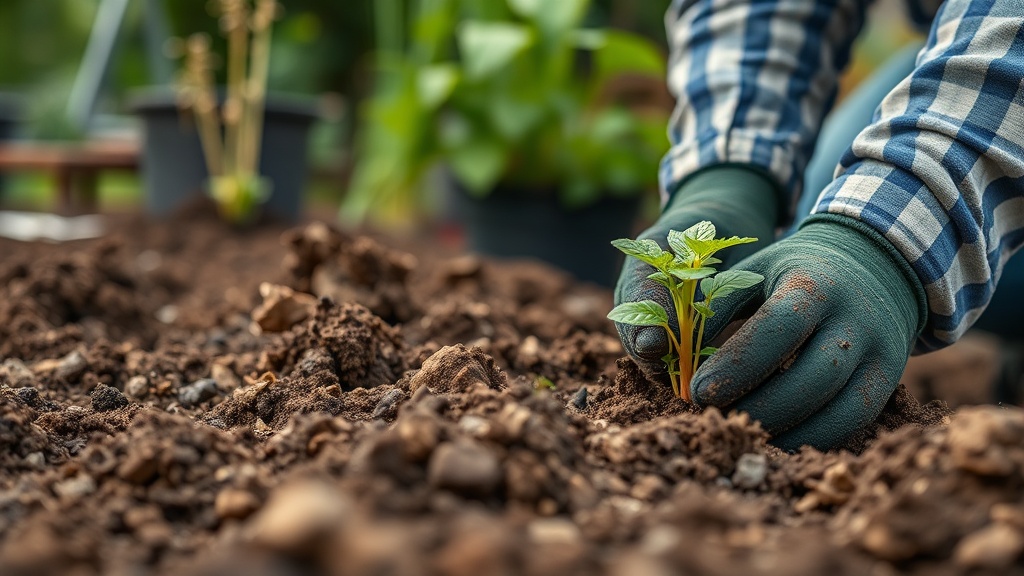
Setting Up Your Home Garden in Kapuskasing Soil

Getting Started with Your Backyard Garden in Kapuskasing
Imagine waking up on a Saturday morning in late May, looking out over your backyard near the Kapuskasing River, and realizing the frost is finally gone for good. You want to plant that heirloom tomato or a patch of fresh basil, but you look at the dirt and realize it's a bit different than the rich, black soil you see in gardening magazines. Gardening in our corner of Northern Ontario isn't about following a generic manual; it's about working with the specific environment we have right here in Kapuskasing. This guide covers how to prep your ground, select the right varieties for our short growing season, and manage the unique challenges of our local climate.
The first thing we need to address is the soil. Depending on which part of Kapuskasing you live in—whether you're closer to the downtown core or out toward the more wooded residential streets—your soil might be quite acidic or heavy with clay. Our local environment often features a lot of organic matter from the surrounding forest, which is great for nutrients but can make drainage a bit tricky during our wet spring melts. Before you buy a single seed packet, you'll want to understand what you're working with so you don't waste money on plants that won't thrive in our specific backyard conditions.
Where can I find the best gardening supplies in Kapuskasing?
You don't need to drive all the way to a big-box store in a different city to get your hands on quality supplies. We have local resources right here that understand our growing season. For high-quality compost and much-needed soil amendments, check in with local garden centers or hardware stores that stock items specifically for Northern Ontario. If you're looking for seasonal advice, many of our local residents rely on the seasonal cycles of the local nurseries to know when it's actually safe to get those delicate seedlings into the ground.
When you're shopping, keep a few things in mind:
- Check the frost dates: In Kapuskasing, our last frost can be unpredictable. Don't rush to plant your peppers too early.
- Soil pH: Most of our local soil benefits from a little bit of lime to balance out the acidity.
- Raised Beds: If your yard has heavy clay or a lot of rocks, building raised beds is often the smartest move for a Kapuskasing gardener.
Raised beds allow you to control the soil quality from the start, rather than trying to fix the native ground. This is especially helpful if you live in one of the older neighborhoods where the soil might be more compacted. By using a raised bed, you can ensure your vegetables get the drainage they need during our heavy spring rains.
Which vegetables grow best in our climate?
Because our growing season is shorter than the southern parts of Ontario, we have to be strategic. You can't just plant anything and expect it to thrive by August. We've found that certain crops do much better in the Kapuskasing area than others. For instance, leafy greens like kale, lettuce, and spinach actually love our cooler nights. They can handle the temperature swings we often see in our local summers much better than something like a sensitive cucumber might.
If you want to grow summer staples, try these options that tend to work well in our zone:
- Root Vegetables: Carrots, potatoes, and beets are hardy and can handle the slightly cooler soil temperatures we often see in late spring. faraday 2. Bush Beans: These grow quickly and can be harvested before the first frost hits us in the autumn.
- Hardy Herbs: Chives and mint are almost indestructible in our local climate, making them perfect for beginners.
A common mistake we see is people trying to grow heat-loving plants like basil or certain types of peppers too early in the season. Even if the sun is out and it feels warm in the afternoon, a sudden cold snap in Kapuskasing can kill them off. Wait until the nights are consistently above 10°C before you move your more sensitive plants outside.
How do I manage pests and soil health in Kapuskasing?
Pests are part of the deal when you're growing food, even in a smaller community like ours. In the summer months, you might notice more activity from local insects. Instead of reaching for heavy chemicals, many of our local gardeners prefer organic methods to keep things healthy. This is especially important if you're growing food for your family right here in town.
One effective way to manage pests is through companion planting. For example, planting marigolds near your vegetables can help deter certain insects that are common in the Kapuskasing area. Also, keeping a consistent watering schedule is vital. Our local weather can be quite unpredictable—one day it's quite dry, and the next we're getting a heavy downpour. This constant change can stress your plants, making them more vulnerable to pests. A steady, controlled water supply helps keep the plants strong and resilient.
If you're looking for more technical information on soil testing or plant health, the Ontario Ministry of Agriculture provides excellent resources on soil management that apply to our province. Additionally, checking the Municipal Website for local land use or community garden info can sometimes provide insights into local environmental trends. Keeping your soil healthy through composting local organic waste is the best way to ensure your garden thrives year after year in our community.
Ultimately, gardening in Kapuskasing is a learning process. Every season brings new challenges, from a late spring frost to an unexpectedly dry July. But there is nothing quite like the satisfaction of eating a meal made with vegetables you grew right in your own backyard, right here in our town. Whether you have a massive plot or just a few containers on a porch, you're contributing to the green and vibrant spirit of our local community.