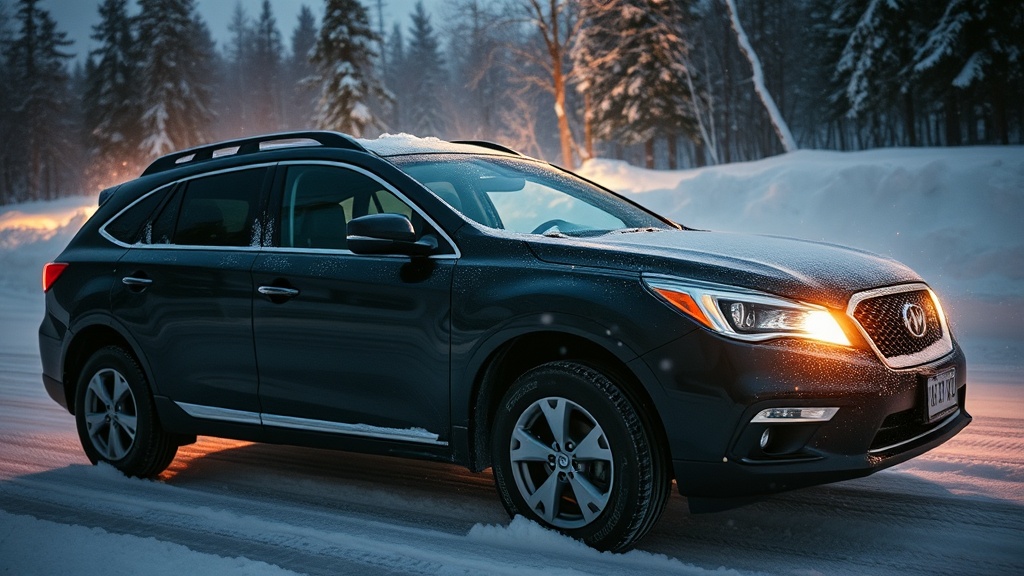
How to Prepare Your Vehicle for Kapuskasing Winters

What Does This Guide Cover?
This guide covers everything needed to get a vehicle winter-ready in Kapuskasing—where temperatures regularly hit -30°C and snow piles up for months. Winter vehicle prep isn't optional here. Breakdowns on Highway 11 at 2 AM aren't just inconvenient. They're dangerous. Proper preparation saves money, prevents accidents, and keeps the car running when it matters most.
What Are the Legal Winter Tire Requirements in Ontario?
Ontario doesn't mandate winter tires province-wide, but insurance companies must offer discounts to drivers who use them. That said, the real reason to swap isn't legal—it's survival. All-season tires harden below 7°C and lose grip. Winter tires use softer rubber compounds and deeper treads designed specifically for snow and ice.
The catch? Not all winter tires are equal. Look for the mountain snowflake symbol on the sidewall. This indicates the tire meets severe snow service standards. Brands like Michelin X-Ice XI3 and Nokian Hakkapeliitta R3 perform exceptionally well in Kapuskasing's extreme cold. Avoid "all-weather" tires—they're a compromise that fails when temperatures plummet.
Timing matters too. Install winter tires before the first major snowfall—usually mid-October in this region. Waiting until snow flies means waiting in line at Canadian Tire or Kal Tire with everyone else. Local shops like Northway Ford and Pro Tire book up fast. Schedule early.
Don't forget the spare. A flat tire in January with a summer spare is useless. Winter tires should include the donut or full-size spare if the vehicle has one. Storage is another consideration—swap the summer set into tire bags and store them flat or hung vertically in a cool, dry place. Some Kapuskasing drivers use the storage services at local dealerships to free up garage space.
How Cold Affects Your Car Battery (and What to Do About It)
Car batteries lose about 50% of their cranking power at -18°C and up to 65% at -30°C. Kapuskasing sees those temperatures regularly from December through February. A battery that starts fine in September might fail completely in January.
Here's the thing: batteries don't give much warning. One day the engine turns over slowly. The next day, nothing. Most batteries last 3-5 years in this climate. If the battery is approaching that age, test it before winter hits. PartSource and NAPA Auto Parts in Timmins offer free testing. The drive is worth it.
For vehicles parked outside, a battery blanket or block heater makes the difference between starting and calling CAA. Block heaters warm the engine oil, making it easier for the starter motor to turn the engine over. Battery blankets wrap around the battery itself, keeping it warm overnight. Both plug into standard outlets.
Worth noting: extension cords matter. Use a heavy-duty outdoor cord rated for cold temperatures. Cheap indoor cords crack and become fire hazards. The Block Heater Power Cord from Princess Auto works well, or grab one from Home Hardware on Riverside Drive.
For ultimate peace of mind, consider a battery maintainer like the NOCO Genius 10. It keeps the battery fully charged without overcharging—ideal for vehicles that sit for days between drives. Lithium jump starters are another smart investment. The GB70 Boost HD can start a V8 engine multiple times on a single charge and fits in the glove box.
What Emergency Items Should Stay in Your Car All Winter?
The trunk needs to function as a survival kit. Getting stuck on a back road during a whiteout isn't hypothetical in Kapuskasing—it happens every winter. The wrong supplies can turn a minor inconvenience into a life-threatening situation.
| Item | Purpose | Recommended Product |
|---|---|---|
| Blankets | Prevent hypothermia if stranded | Wool or reflective emergency blankets |
| Candle + Tin Can | Heat source in enclosed space | Standard paraffin candle, metal coffee can |
| Food/Water | Sustenance during long waits | Energy bars, bottled water (rotate every 2 months) |
| Flashlight | Visibility and signaling | Fenix PD36R or similar LED flashlight |
| First Aid Kit | Medical emergencies | St. John Ambulance Standard Kit |
| Jumper Cables | Battery boosting | Booster cables 16-foot, 4-gauge minimum |
| Snow Brush/Scraper | Clearing windows and lights | Snow Joe 18-Inch Snow Broom |
| Shovel | Digging out if stuck | Collapsible military-style shovel |
| Sand or Kitty Litter | Traction under tires | Non-clumping clay kitty litter |
| Tow Strap | Recovery if stuck in snowbank | Recovery strap rated 15,000 lbs |
That table covers the basics. But here's what experienced northern drivers add: extra warm clothing (mitts, toque, winter boots—not the dress shoes worn to work), a tow rope with proper hooks, and a fully charged cell phone power bank. The Anker PowerCore 26800 holds enough charge for multiple phone recharges.
Keep the gas tank at least half full. Condensation forms in empty tanks and freezes in fuel lines. Plus, a full tank provides weight over the rear wheels in rear-wheel-drive vehicles. For diesel vehicles, add Howes Diesel Treat or similar anti-gel additive before temperatures drop. Diesel gels at cold temperatures and strands drivers without warning.
How Should You Prepare Your Vehicle's Fluids and Systems?
Engine coolant (antifreeze) needs to handle the coldest expected temperatures. In Kapuskasing, that's -40°C or worse. Most vehicles come with 50/50 coolant mix from the factory, which protects to -37°C. That's cutting it too close. A 60/40 or 70/30 antifreeze-to-water ratio provides better protection. Test the coolant with a Prestone AF-1420 tester—available at most auto parts stores.
Windshield washer fluid must be rated for extreme cold. The blue summer stuff freezes solid and cracks the reservoir. Look for fluid rated to -45°C. Reflex Winter Washer Fluid from Canadian Tire works well. Keep a spare jug in the trunk—road spray depletes the reservoir quickly on slushy highways.
Engine oil thickens in cold weather. Synthetic oil flows better at low temperatures than conventional oil. If the vehicle uses 5W-30 conventional, switching to 0W-30 synthetic (or even 0W-20 if the manufacturer allows) helps cold starts significantly. Check the owner's manual—some engines require specific grades. Castrol EDGE or Mobil 1 synthetic oils perform well in extreme cold.
Wiper blades take a beating. Ice buildup on the windshield tears up standard blades. Winter wiper blades have rubber boots that prevent ice from clogging the hinge. Bosch ICON or Rain-X Latitude blades hold up better than cheap alternatives. Lift the wipers away from the windshield when parking overnight—prevents them from freezing to the glass.
Are Remote Starters Worth It in Northern Ontario?
Absolutely—if installed properly. A remote starter lets the engine warm up while the driver stays inside. Defrosters clear the windshield. The cabin warms slightly. The engine reaches operating temperature, which improves oil circulation and reduces wear.
The catch? Installation quality varies dramatically. Poor installations drain batteries, trigger check engine lights, or void warranties. Use a reputable installer. Viper and Compustar are reliable brands with models specifically designed for extreme cold. Two-way remotes confirm the vehicle actually started—important when the car is parked out of sight.
Idling laws exist in some Ontario municipalities, though enforcement in northern communities is rare. That said, extended idling wastes fuel and isn't necessary. Five to ten minutes suffices for most vehicles. Modern engines don't need twenty minutes to "warm up"—driving gently warms them faster than idling.
Block heaters are more efficient than remote starters for extreme cold. They use less electricity and warm the engine directly. Many Kapuskasing drivers use both—a block heater overnight, then a remote starter thirty minutes before leaving. The combination ensures the vehicle starts and runs smoothly even at -35°C.
What About Rust Protection?
Road salt destroys vehicles. Ontario uses massive quantities on Highway 11 and local roads. Rust forms in wheel wells, undercarriages, and door seams. Once started, it's nearly impossible to stop.
Undercoating helps. Krown Rust Control and Rust Check are the two main options in Ontario. Krown uses a thicker, wax-based spray. Rust Check uses a lighter oil that creeps into seams. Both require annual reapplication. The Krown location on Highway 11 in Timmins is the closest option for Kapuskasing residents.
Between professional treatments, wash the vehicle regularly—even in winter. Touchless car washes with undercarriage sprays remove salt buildup. The Splash Car Wash in Kapuskasing offers this service. Don't skip it. A $15 wash costs far less than rust repairs.
Door seals and weatherstripping need attention too. Silicone spray prevents doors from freezing shut. Apply it to rubber gaskets before the first freeze. WD-40 Silicone works, or use Gummi Pflege—a product specifically formulated for rubber seals.
Final Thoughts on Winter Driving Preparation
Preparing a vehicle for Kapuskasing winters requires attention to tires, battery, fluids, emergency supplies, and rust protection. Each element addresses a specific failure mode that cold temperatures and snow create. Skip one, and the system fails when stressed.
The investment isn't small—winter tires, maintenance, emergency supplies, and rust protection add up. But the cost of a single towing bill, or a collision on icy roads, far exceeds proper preparation. Northern Ontario demands respect. The vehicles that survive here are the ones whose owners planned ahead.
Start the checklist in September. Order tires early. Test the battery. Stock the trunk. When that first blizzard hits—and it will—the difference between a minor inconvenience and a dangerous situation comes down to preparation done months earlier.
For more information on winter driving safety, consult Ontario's Official Driver's Handbook on winter conditions or check Environment Canada's winter safety guidelines. The Canadian Automobile Association also offers excellent resources for northern drivers preparing for extreme conditions.
Steps
- 1
Install Certified Winter Tires Before the First Snowfall
- 2
Assemble a Comprehensive Emergency Road Kit
- 3
Complete Essential Winter Maintenance Checks