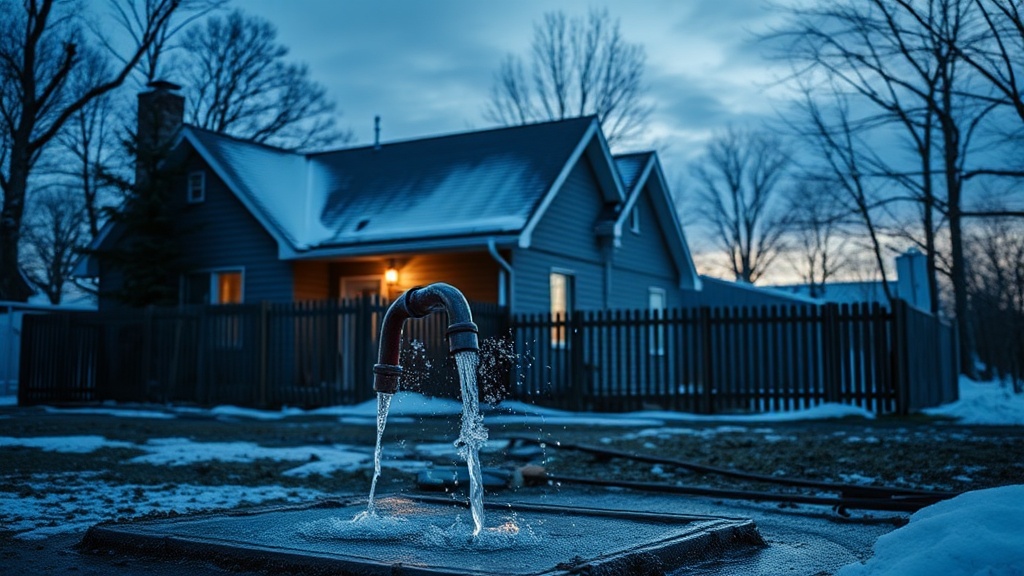
Getting Your Home Ready for Kapuskasing Municipal Water Services

This guide covers exactly how to manage your water usage, understand your utility billing, and prepare your household for the specific water-related quirks of living in Kapuskasing. We'll look at how to monitor your consumption, what to do during seasonal shifts, and how to interact with our local municipal systems effectively.
Living in Kapuskasing means being aware of how our local infrastructure supports us. Unlike much larger cities, our water-related needs are deeply tied to the seasonal changes we experience here in Northern Ontario. Whether you've just moved into a new home near the Kapuskasing River or you've lived in the same neighbourhood for decades, understanding our local water services is a part of being a prepared resident.
Where do I find my Kapuskasing water meter information?
Most residents in Kapuskasing will find their water meter located in a basement or a utility closet. It's a good idea to know exactly where yours is located before a leak happens. In many older homes around the downtown area, these meters can be tucked away in tight corners or even behind storage areas. We recommend checking your meter once a year—even if everything seems fine—to ensure there isn't a slow drip or a phantom reading that might spike your bill. If you notice your meter spinning even when all your taps are off, you might have a small leak in your internal plumbing that needs attention.
If you are looking for official information regarding municipal services or need to report a water-related issue, the Town of Kapuskasing website is the place to start. You can find information on municipal services at https://www.kapuskasing.ca/. It's worth checking their notices regularly for any planned maintenance that might affect your street or neighbourhood.
How can I reduce my water bills in Kapuskasing?
Since our utility costs are tied to both usage and the maintenance of our local infrastructure, being mindful of consumption helps our entire community. A few small changes can make a big difference in your monthly budget. For example, upgrading to low-flow showerheads or fixing a running toilet can save quite a bit of money over time. In Kapuskasing, we see a lot of seasonal fluctuations; during the warmer months, your outdoor water use might increase, but keeping an eye on that meter is a smart way to keep costs predictable.
- Check your outdoor hoses: If you use a hose for gardening near the residential areas, ensure you have a shut-off valve at the spigot.
- Monitor the toilet: A leaking flapper is a silent budget killer. Put a few drops of food coloring in your toilet tank; if color appears in the bowl without flushing, you have a leak.
- Use efficient appliances: When replacing older machines, look for those with high efficiency ratings to help lower the demand on our local system.
We've noticed that many households in Kapuskasing tend to overlook small leaks that eventually lead to much larger, more expensive repairs. Taking ten minutes once a season to walk through your home and check every faucet and connection is a habit that pays off.
What should I do if there is a water service interruption?
Water service interruptions can happen due to maintenance, frozen pipes in the winter, or unexpected breaks in the line. If you notice a sudden drop in pressure or no water at all, the first thing to do is check with your immediate neighbours. If the whole street is affected, it's likely a municipal-level issue. In Kapuskasing, a sudden change in water pressure can sometimes be a sign of a nearby break or a scheduled service in your specific neighbourhood.
If you suspect a break on your private property—meaning the line between the street and your house—you should contact a local plumber immediately. If the issue seems to be with the municipal supply, you should follow the protocols set by the town. Keeping an eye on local community notice boards or the municipal website is the best way to stay informed about any large-scale work being done on our streets. For broader information on water quality standards in Ontario, you can visit the Ontario Ministry of the Environment website.
It's also important to remember that during extreme cold snaps in Kapuskasing, our water service lines are under more stress. If you're experiencing issues during a freeze, it might be helpful to check the Environment Canada reports for any extreme temperature warnings that might affect local infrastructure. Being proactive about your home's insulation and ensuring your pipes are protected can prevent many of the common issues we face during our harsh northern winters.
Managing your water usage isn't just about your own wallet; it's about contributing to a stable utility system for all of us here in Kapuskasing. By staying informed and performing regular checks, you help ensure our local services run smoothly for everyone in our community.